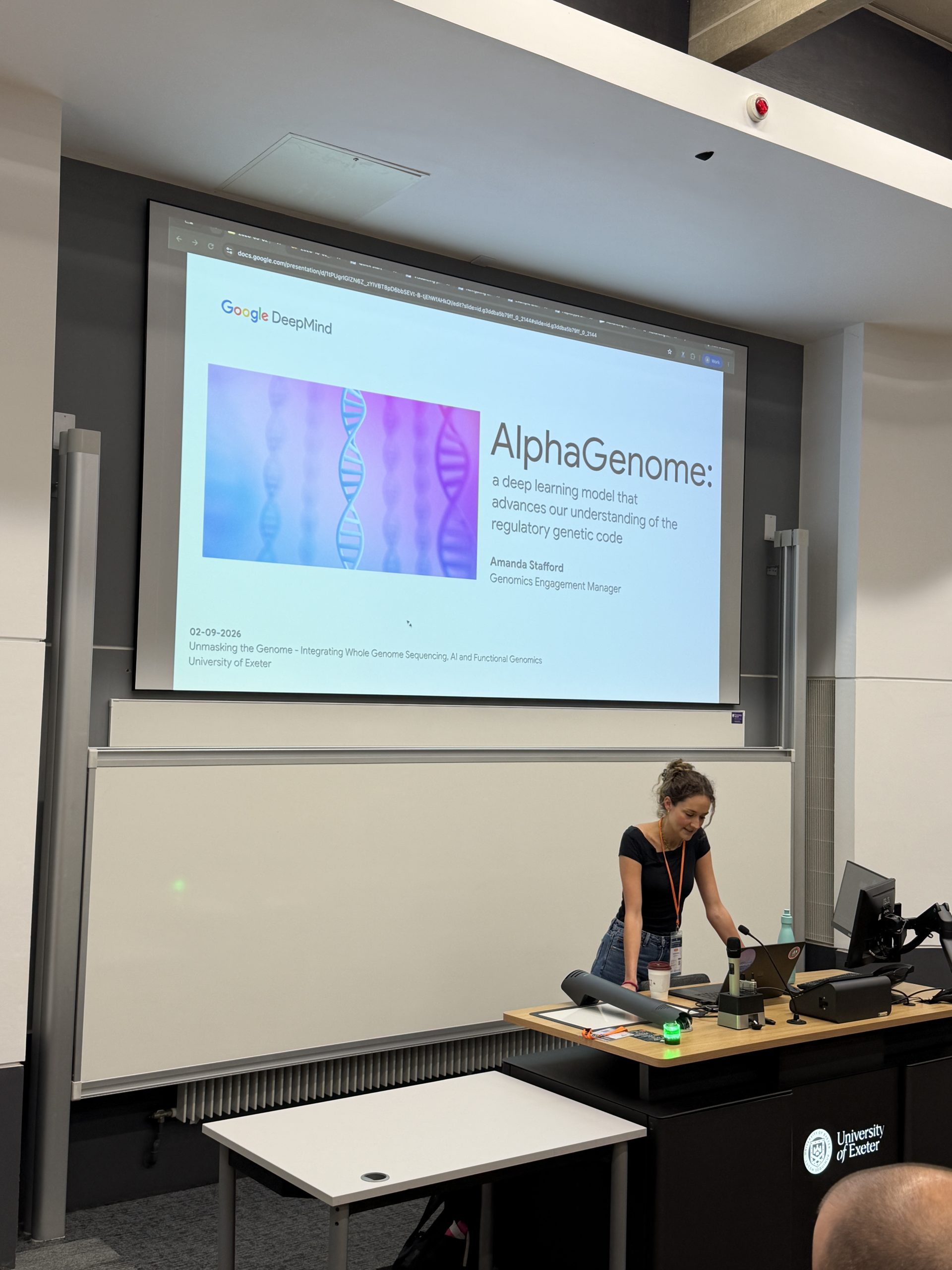
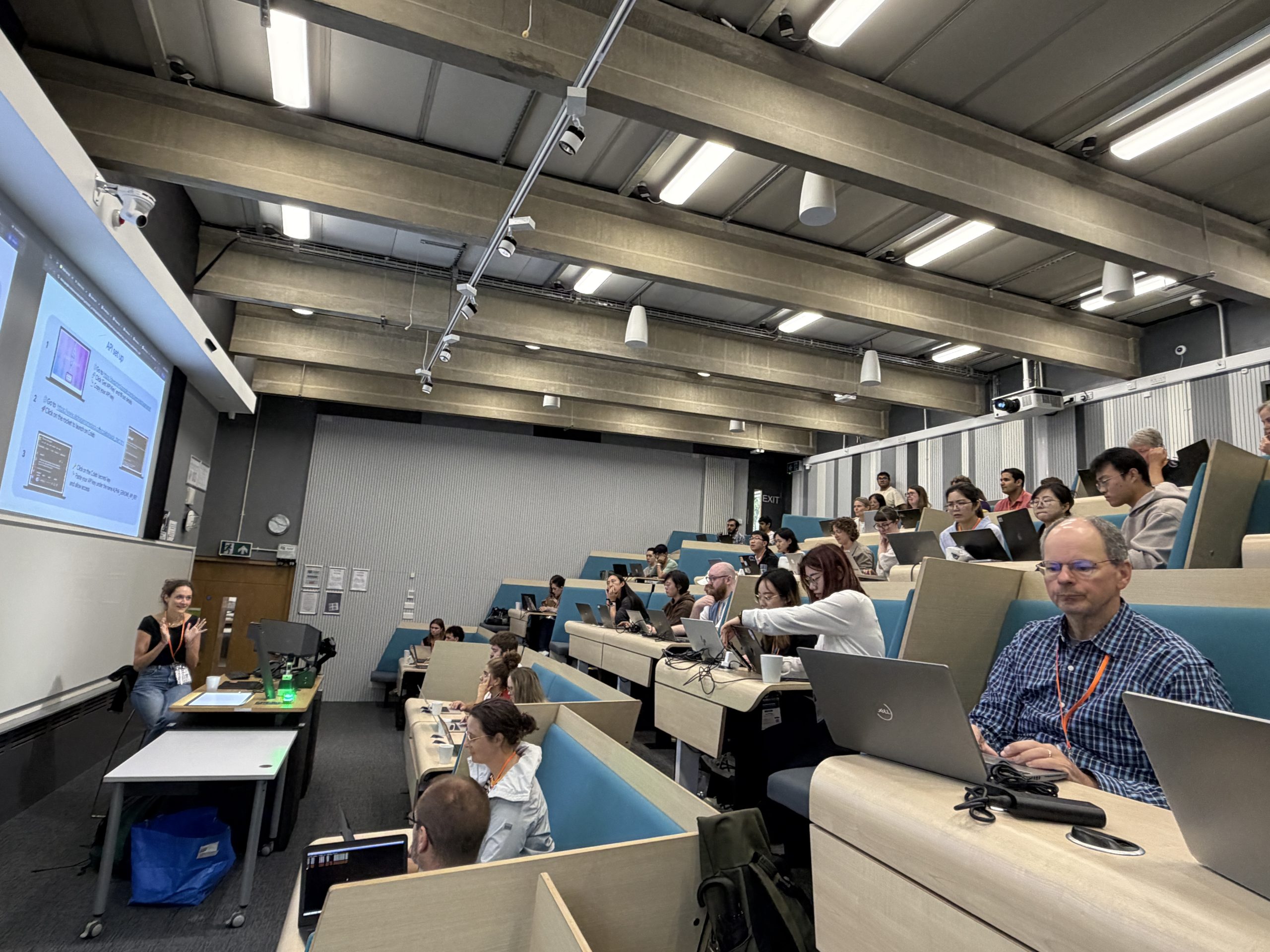
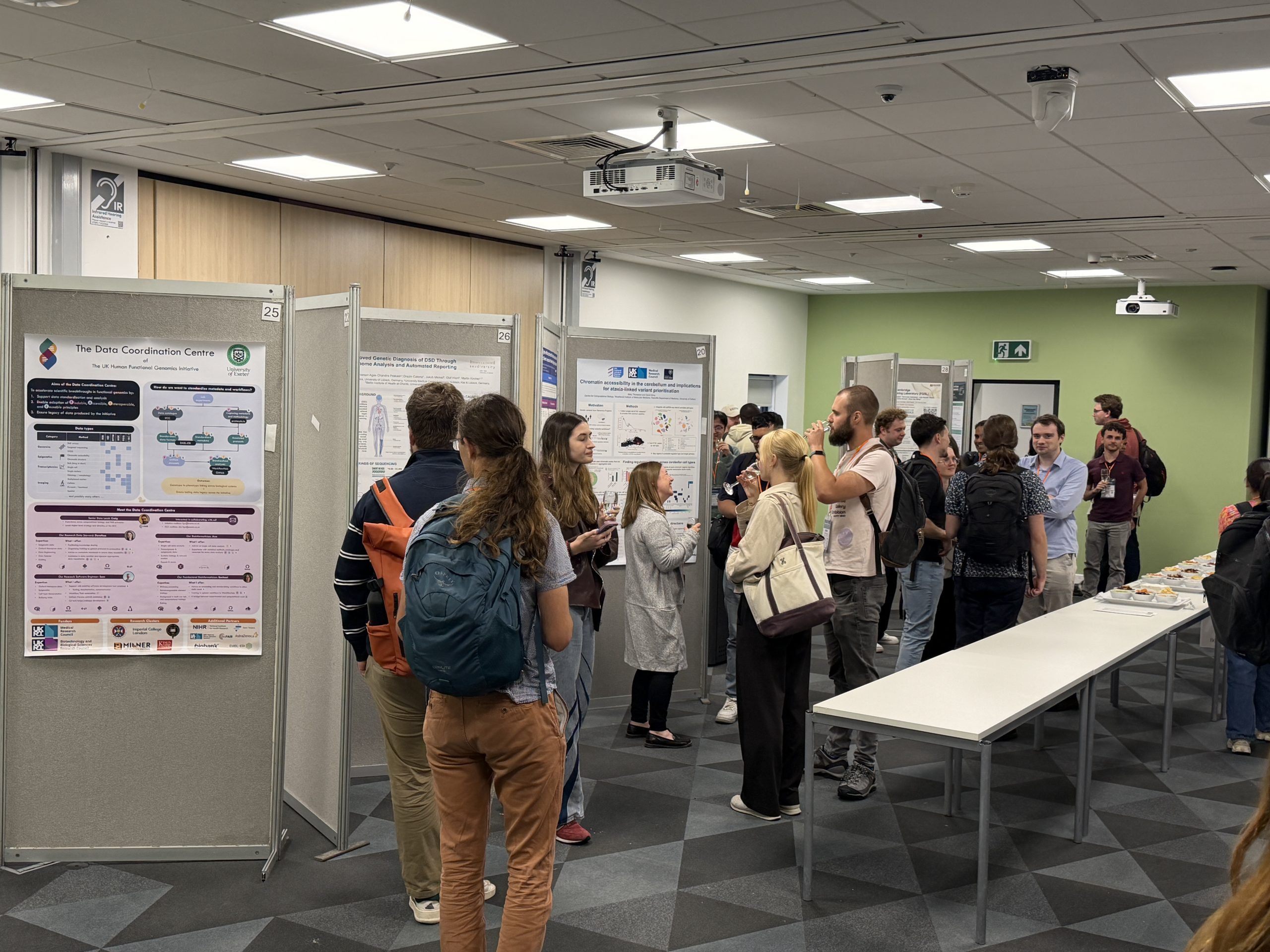
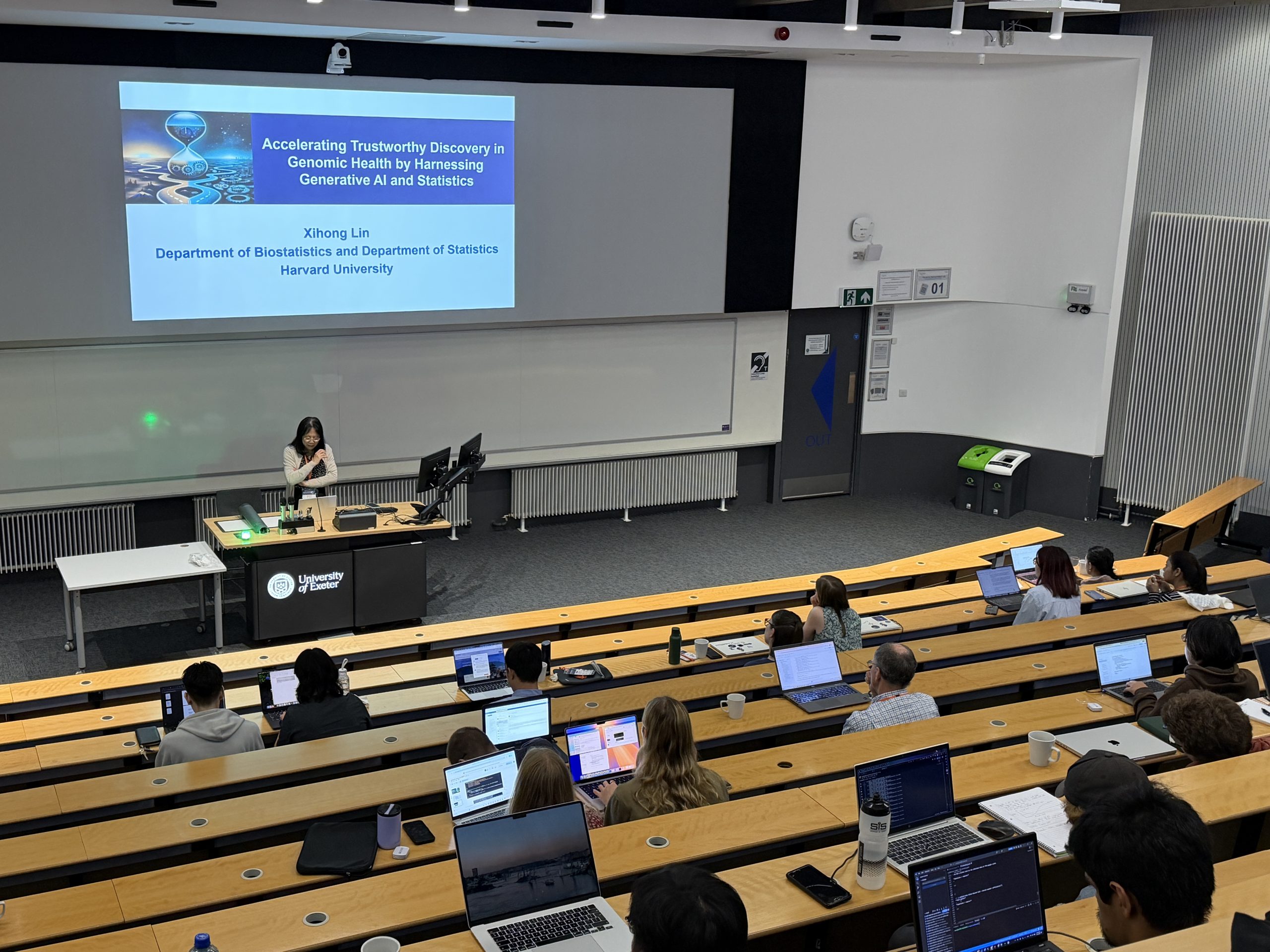
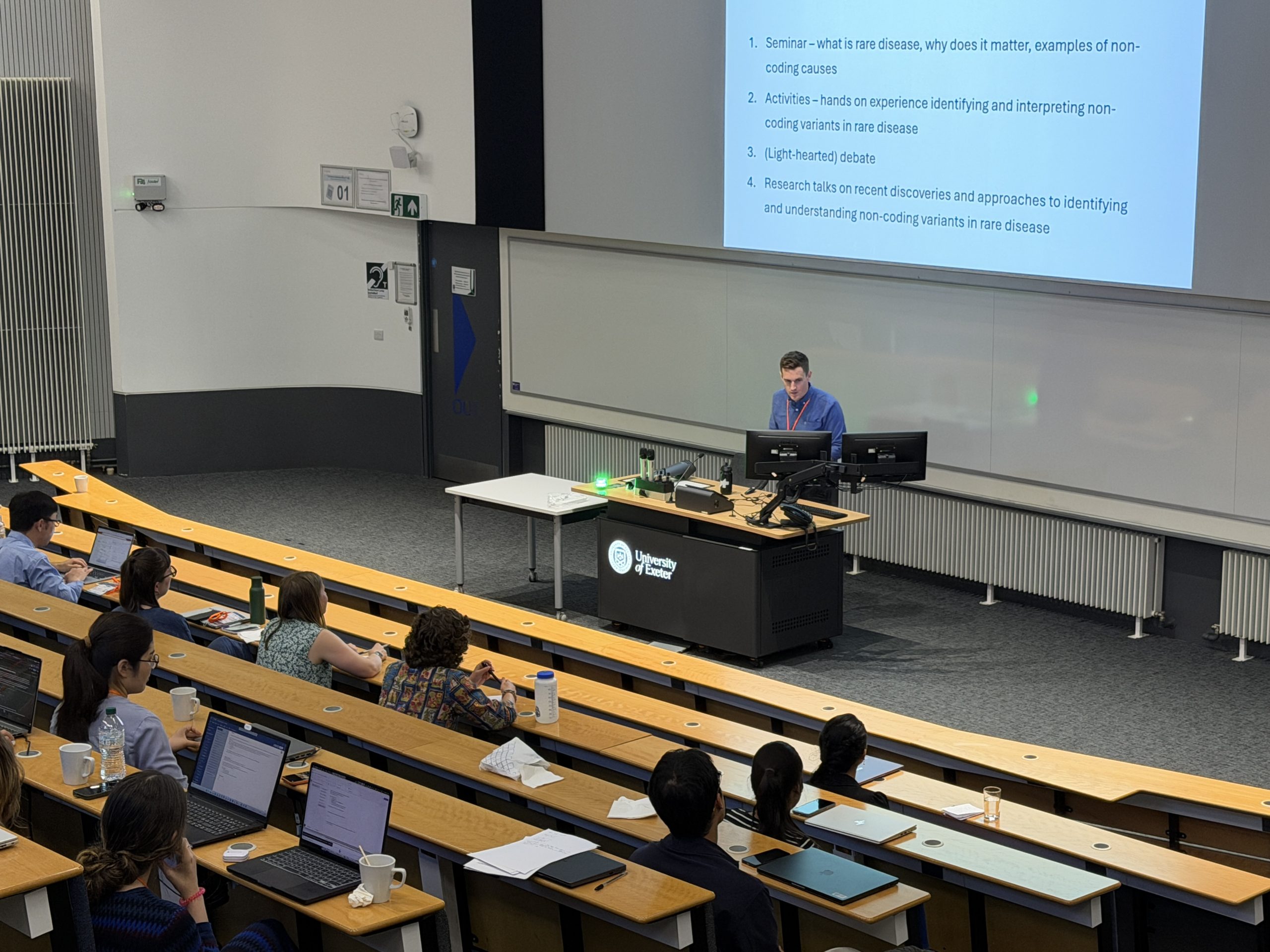
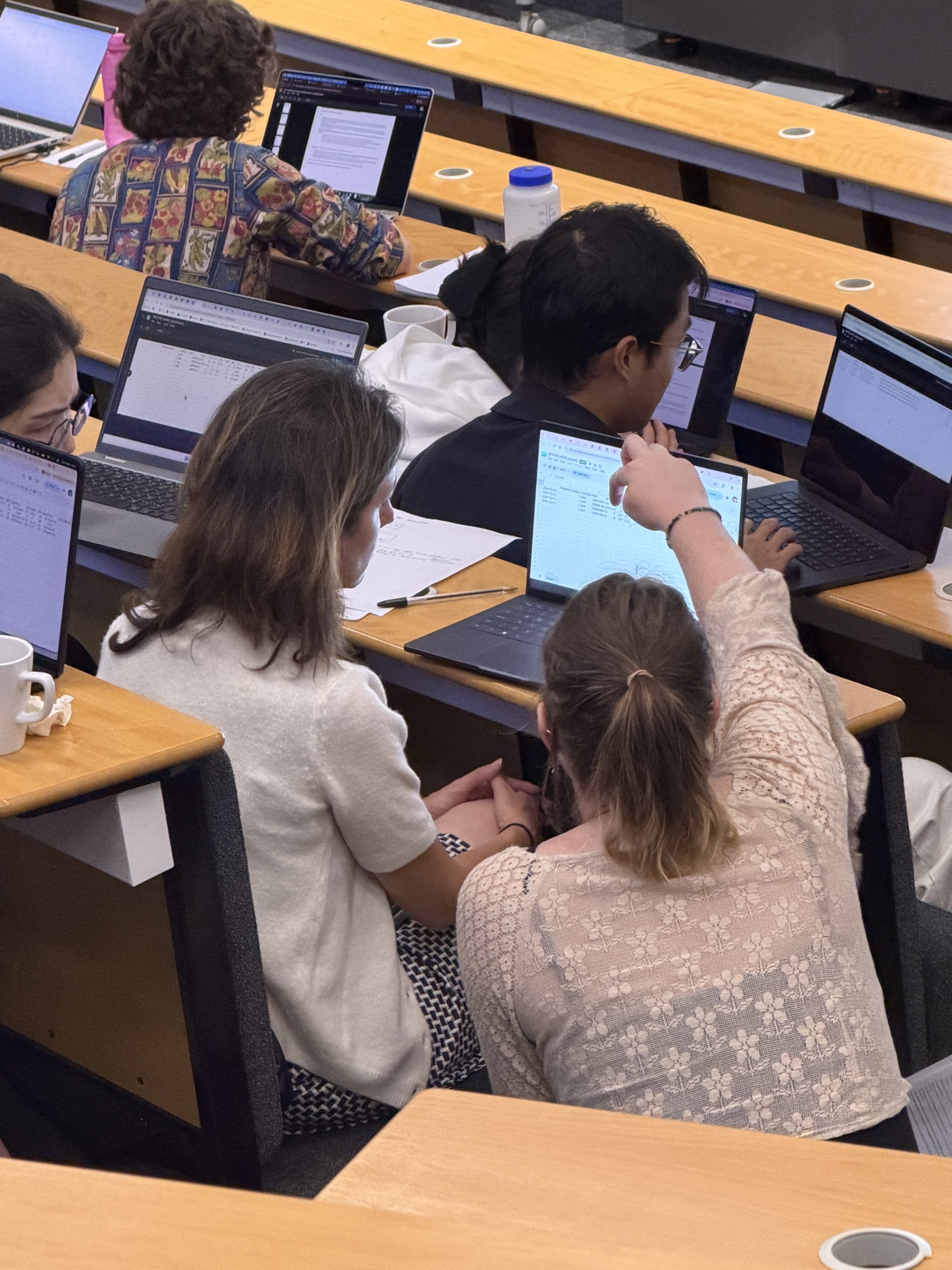
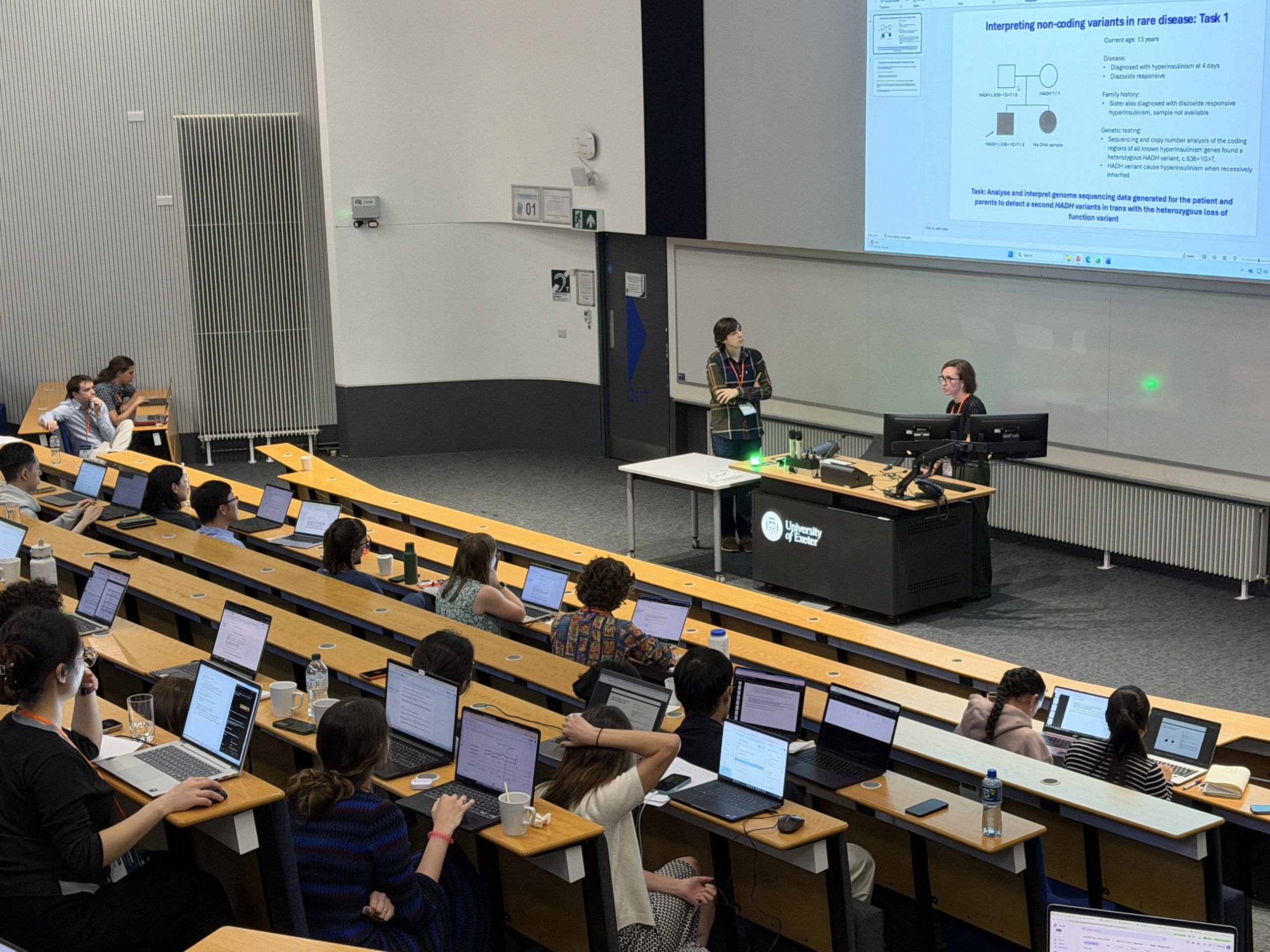
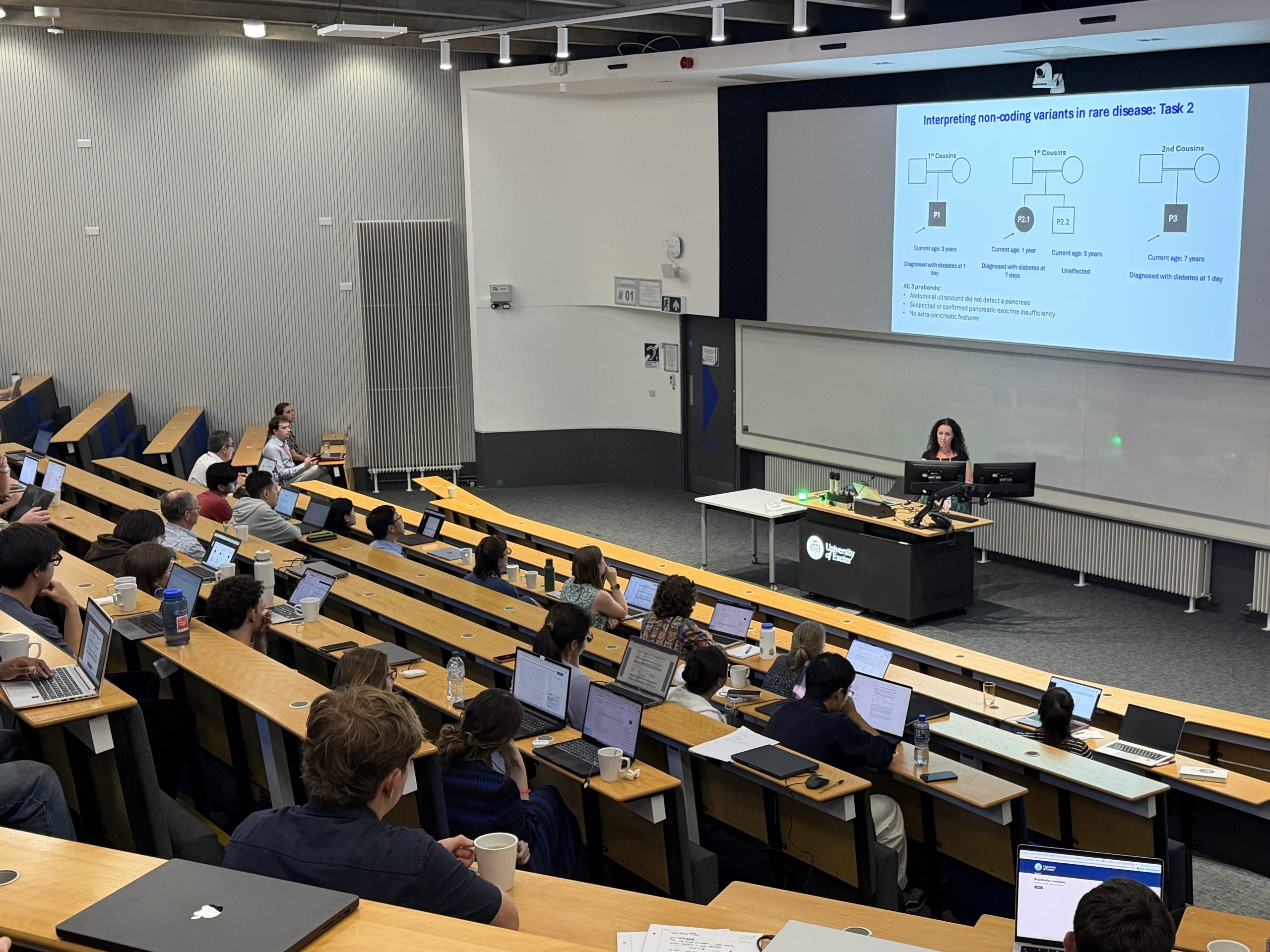
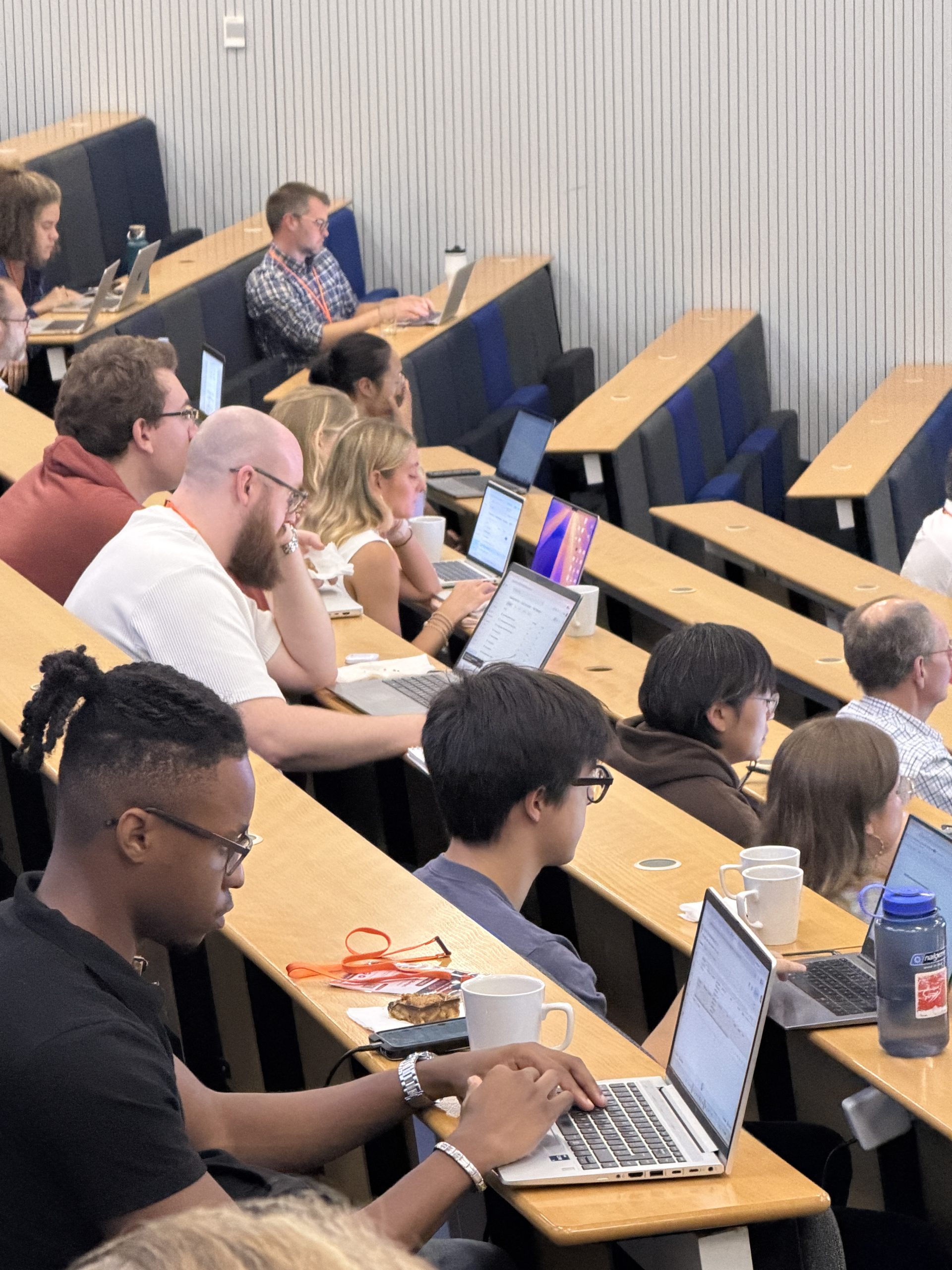
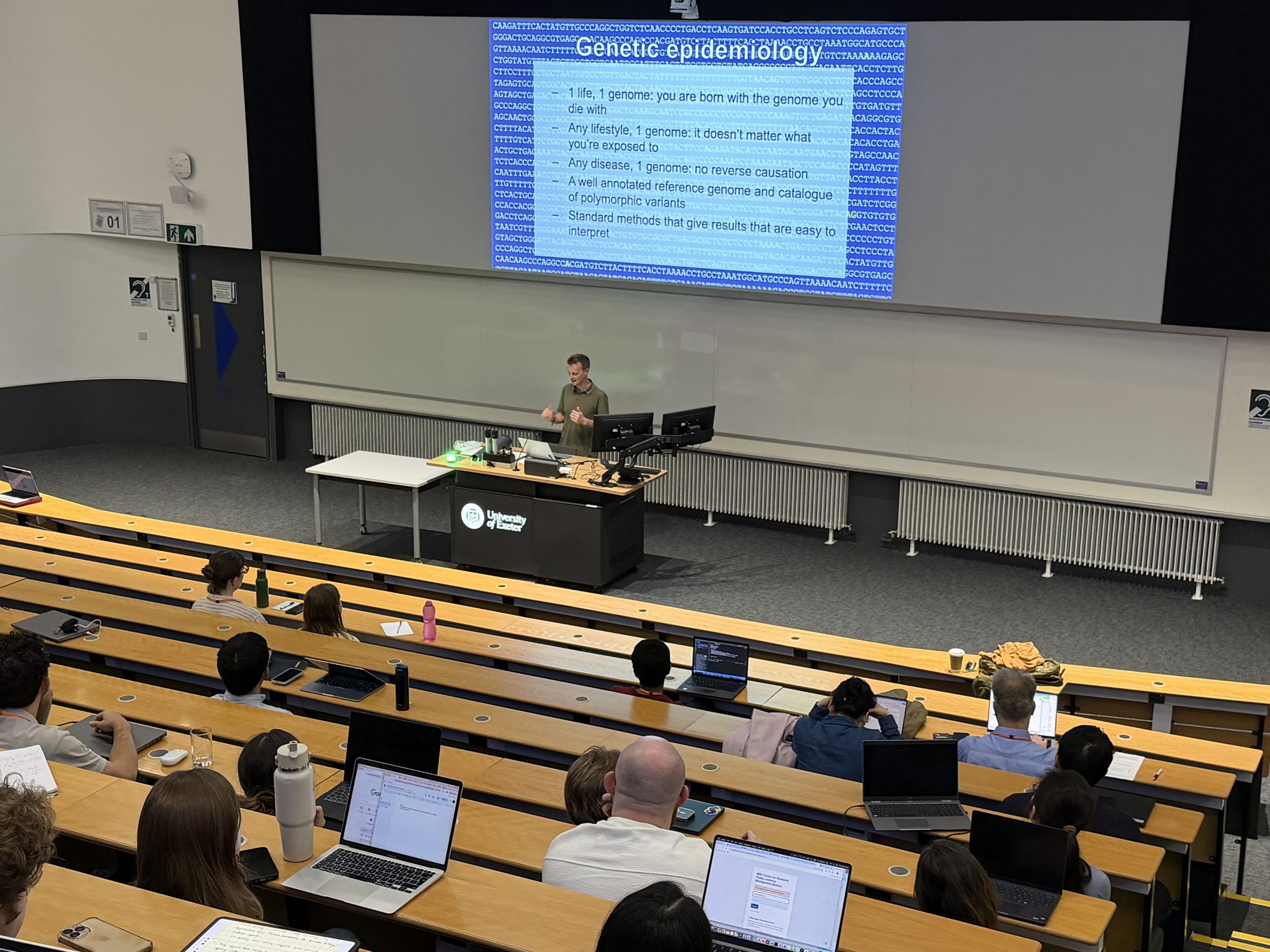
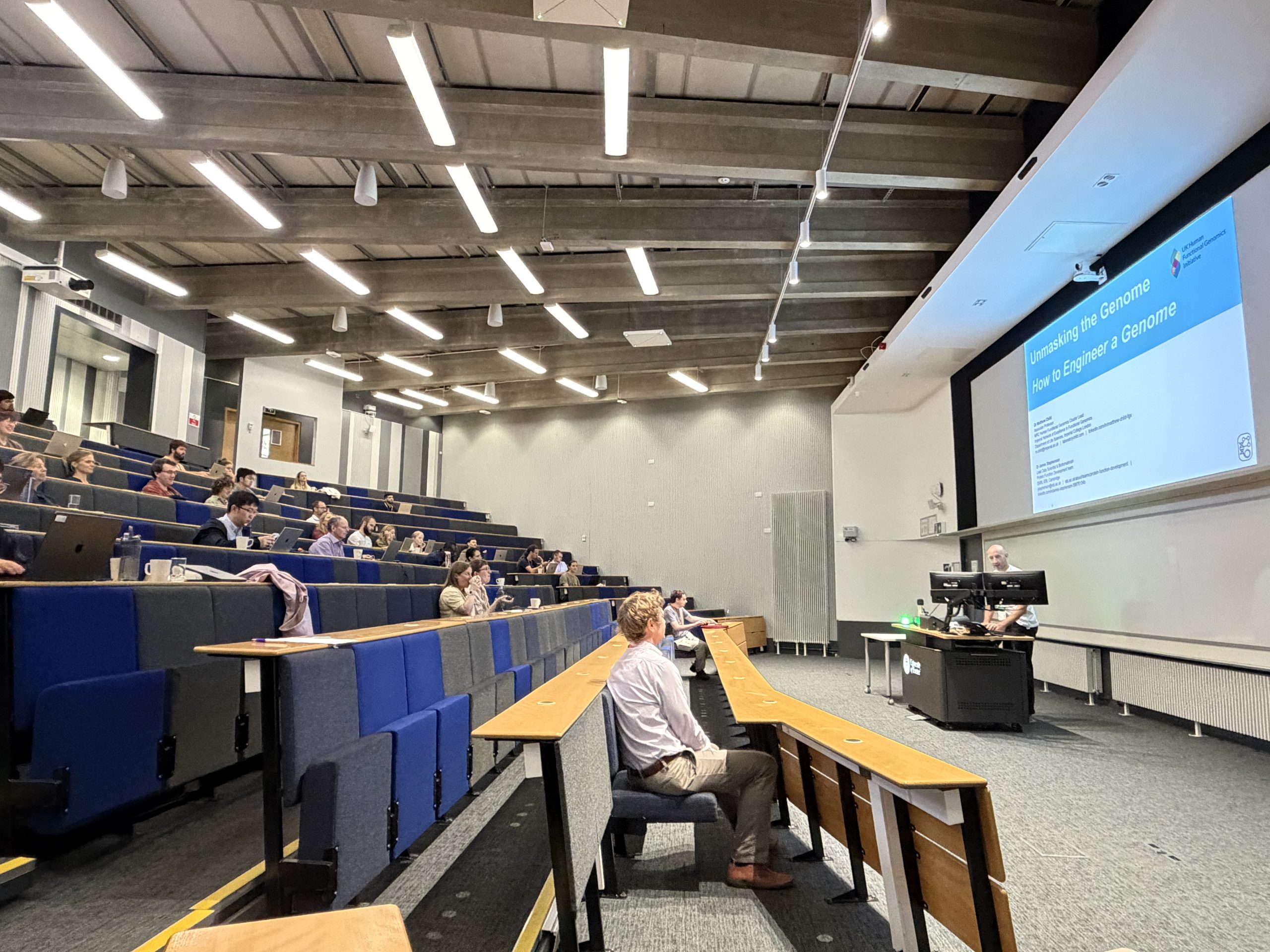
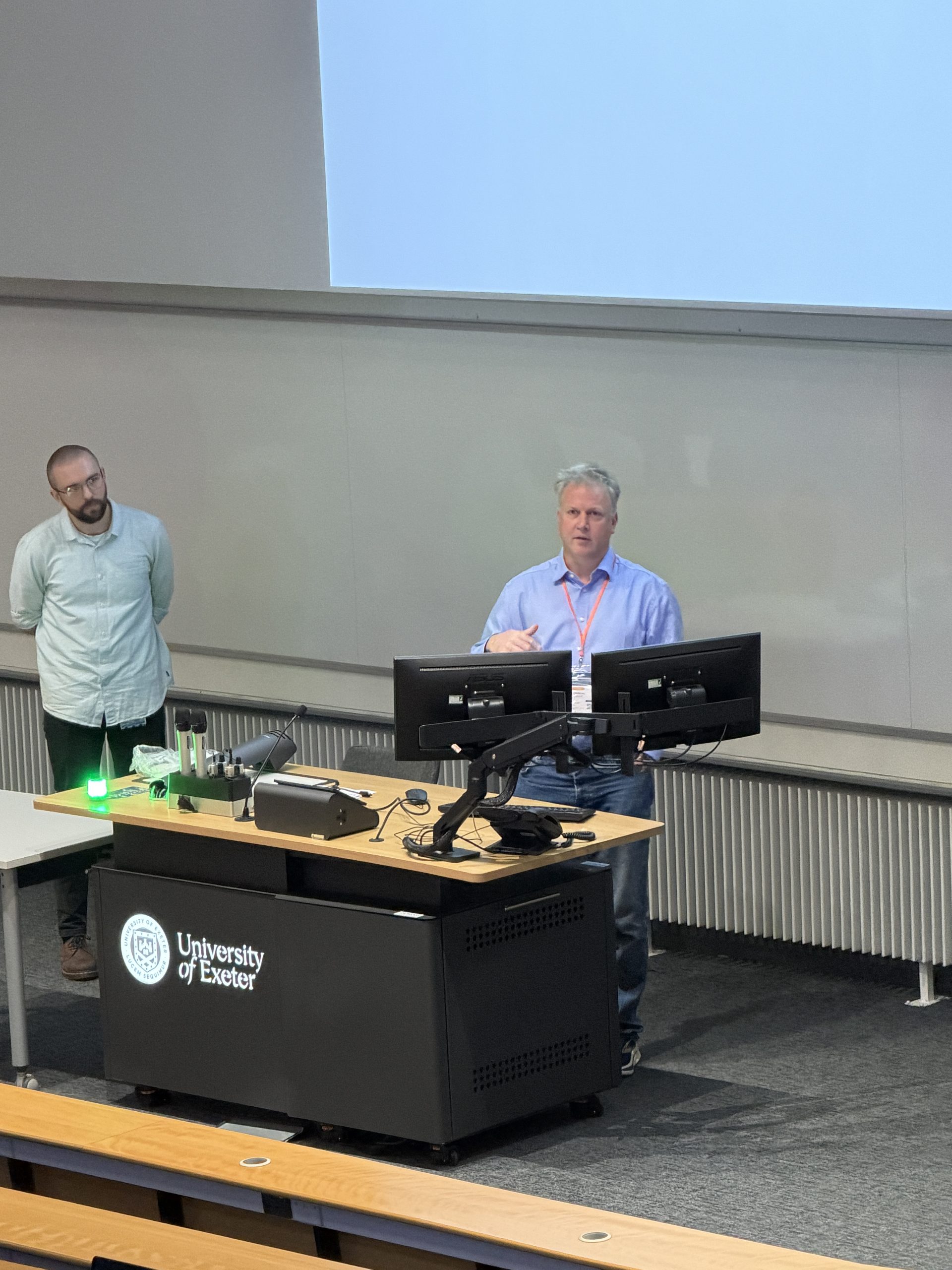
Unmasking the Genome: Integrating WGS, AI and Functional Genomics workshop successful delivery at the University of Exeter

Researchers involved in the UK Human Functional Genomics Initiative (FGx) are helping to explore how new AI-powered approaches could transform our understanding of genetic variation and its links to human health.
A new University of Exeter report highlights pioneering work using AlphaGenome Atlas, a new resource developed by Google DeepMind that provides predictions for the potential molecular effects of around 9 billion genetic variants across the human genome.
By assigning predictions to genetic variants, AlphaGenome Atlas provides researchers with a way to prioritise variants that may have the greatest biological impact, helping to narrow the search for genetic changes that could contribute to disease and other human traits.
From genomic data to biological insight
Dr Gareth Hawkes, an MRC Fellow at the University of Exeter Medical School, has applied AlphaGenome Atlas to whole-genome data from more than 54,000 UK Biobank participants.
By grouping rare variants according to their predicted molecular effects, this approach identified 22% more non-coding genetic associations than conventional approaches. The analysis also helped highlight regulatory variants associated with the abundance of important proteins, including PLA2G7, which has links to ageing, and EGLN1, a key regulator of cellular responses to oxygen.
The work demonstrates the potential of combining large-scale human genetic datasets with AI-driven predictions to identify signals that may otherwise be difficult to detect.
Researchers also used AlphaGenome Atlas to investigate hundreds of millions of non-coding variants in UK Biobank in relation to body mass index. By focusing on the small proportion of variants predicted to have the greatest impact, they were able to identify genetic regions that could provide a starting point for further investigation.
Bringing AI and functional genomics together
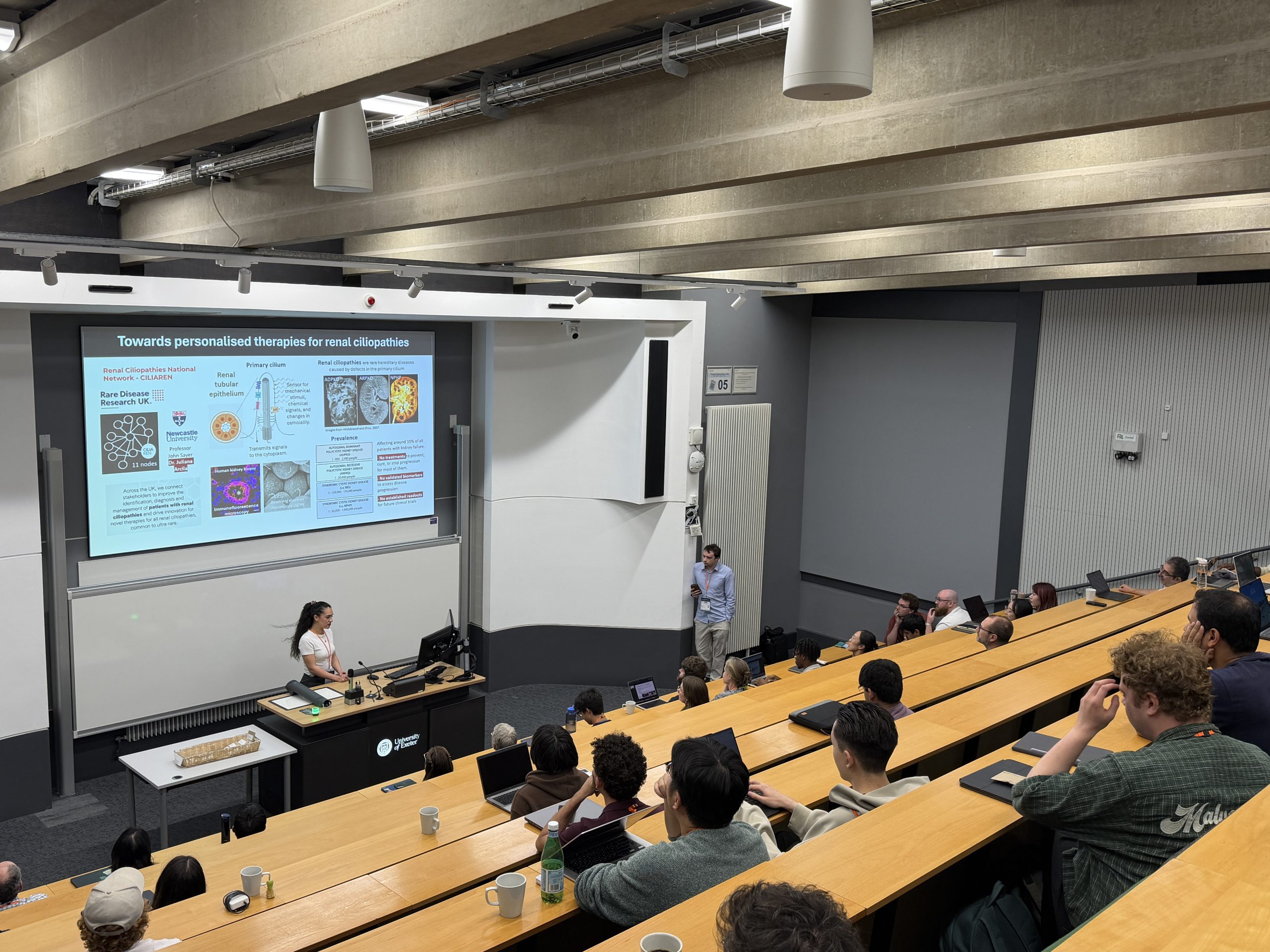
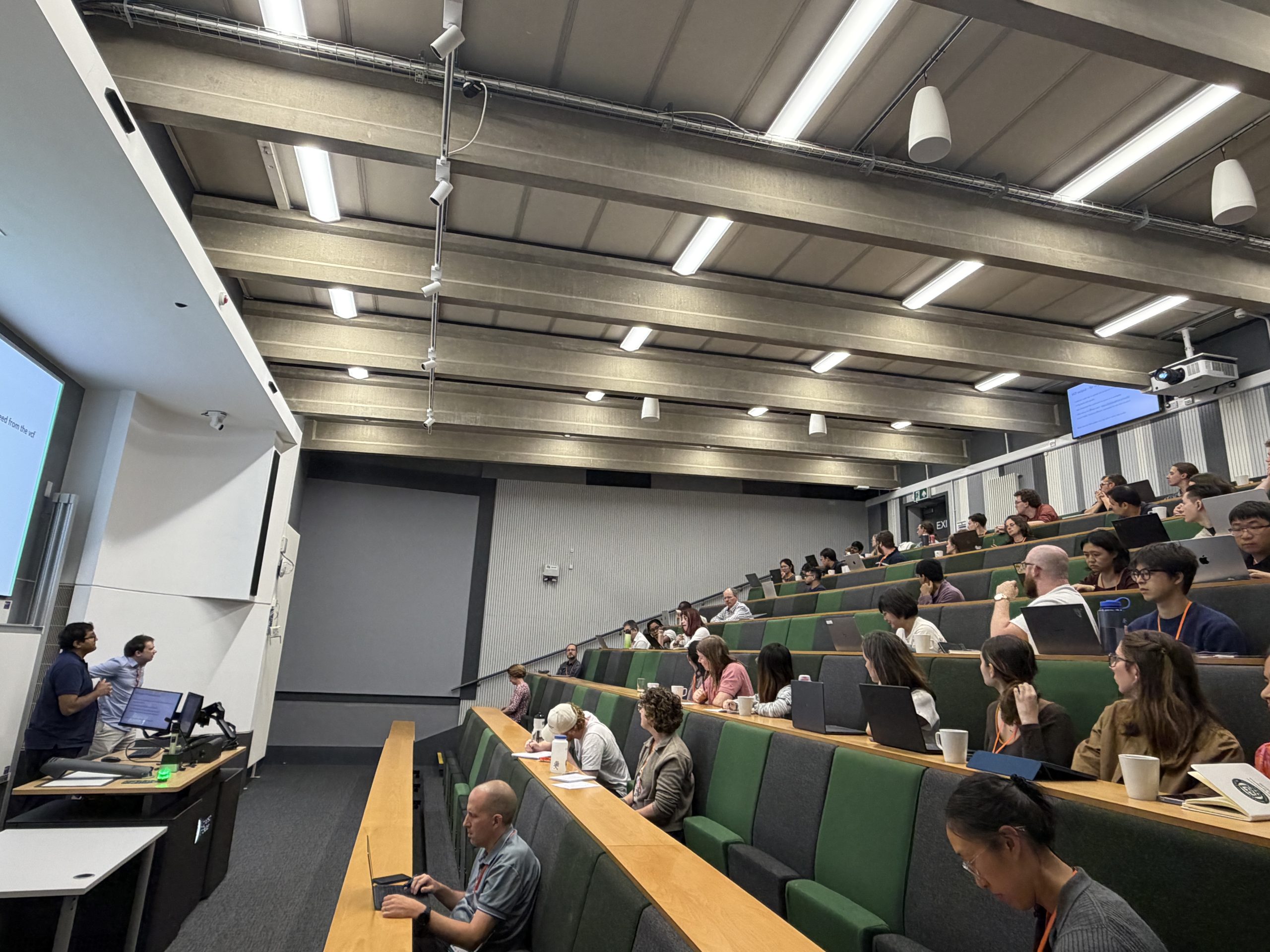
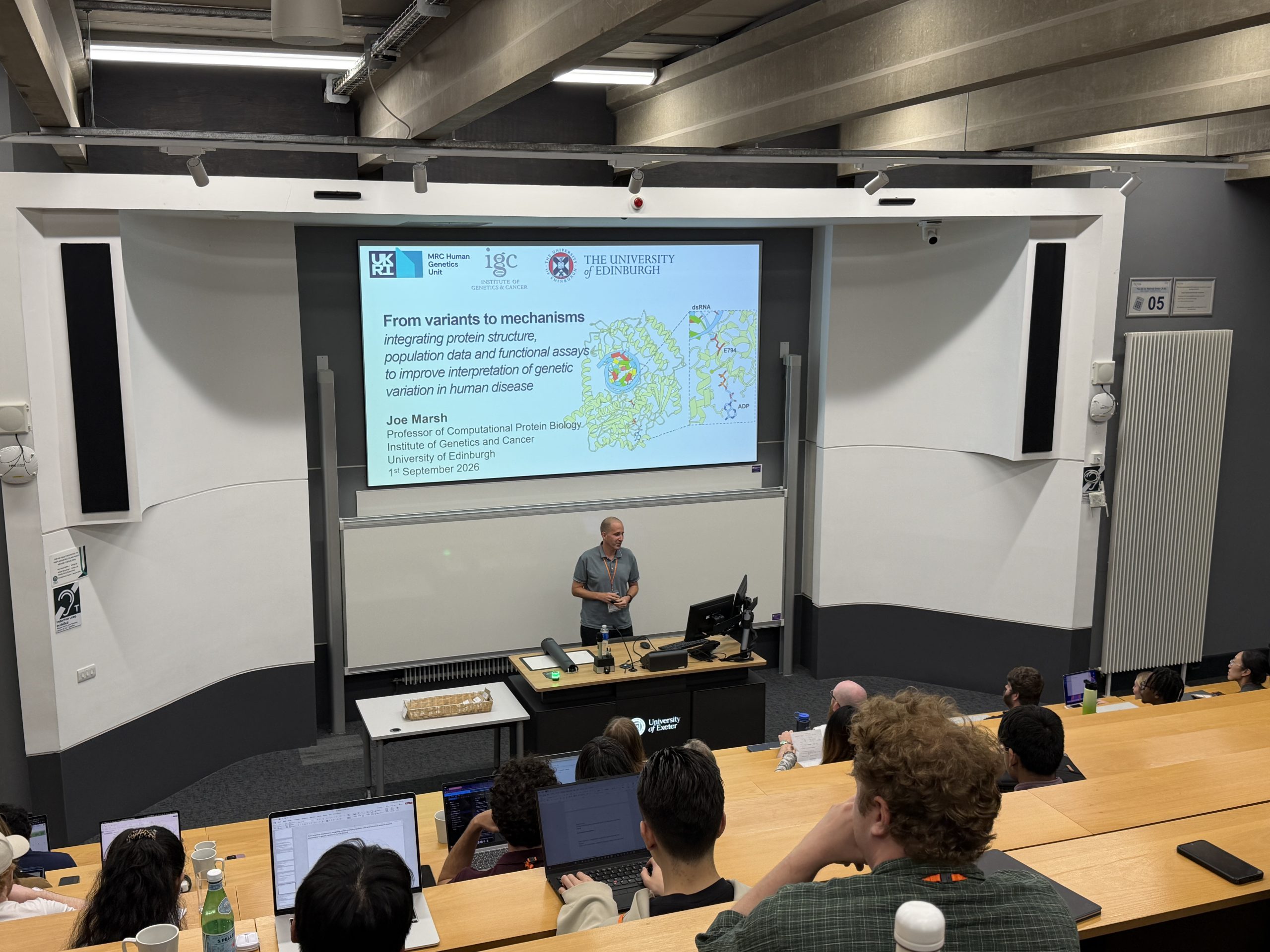
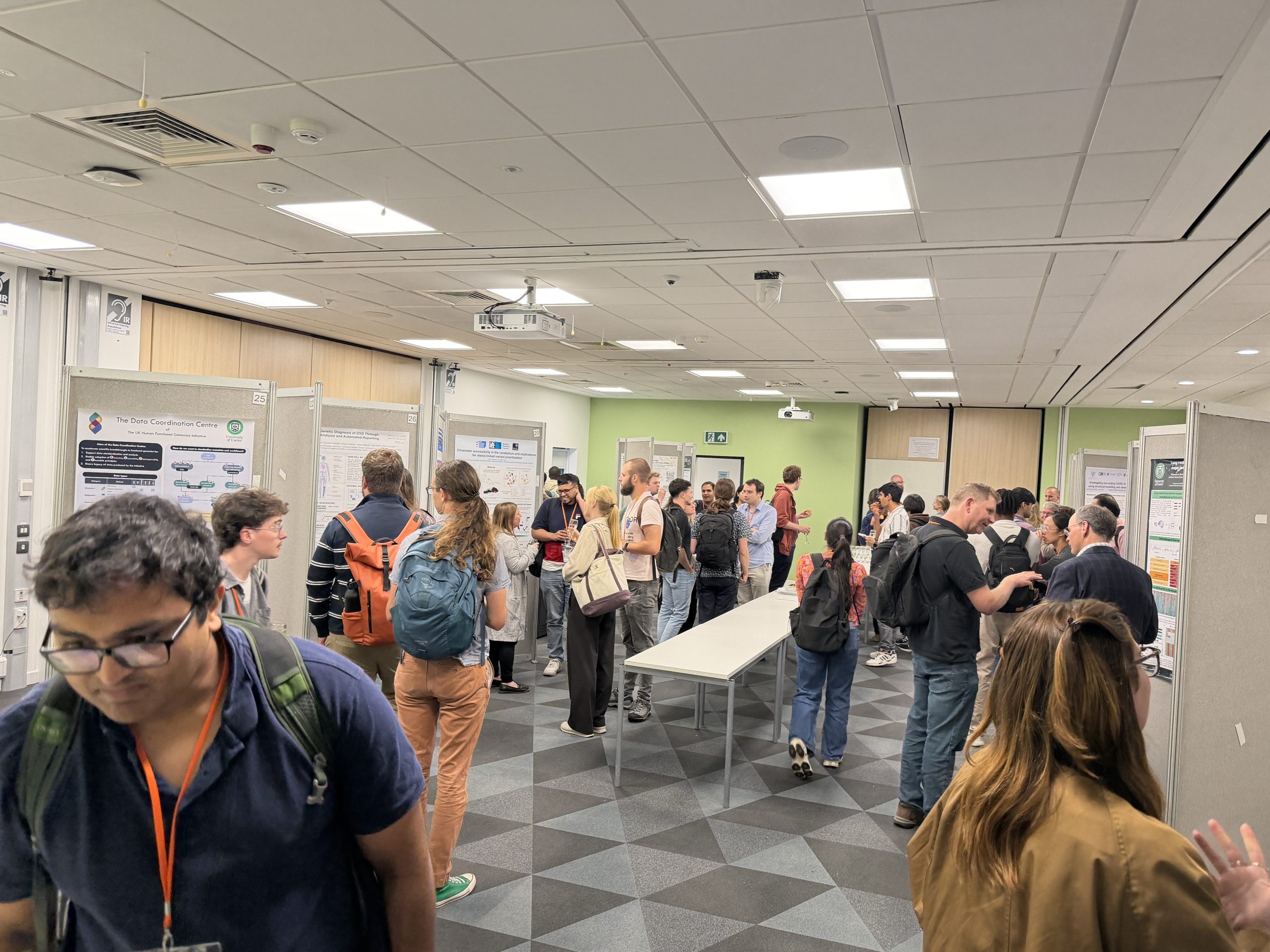
The work was highlighted during the recent Unmasking the Genome workshop, hosted by the University of Exeter in partnership with the UKHFGI and Google DeepMind.
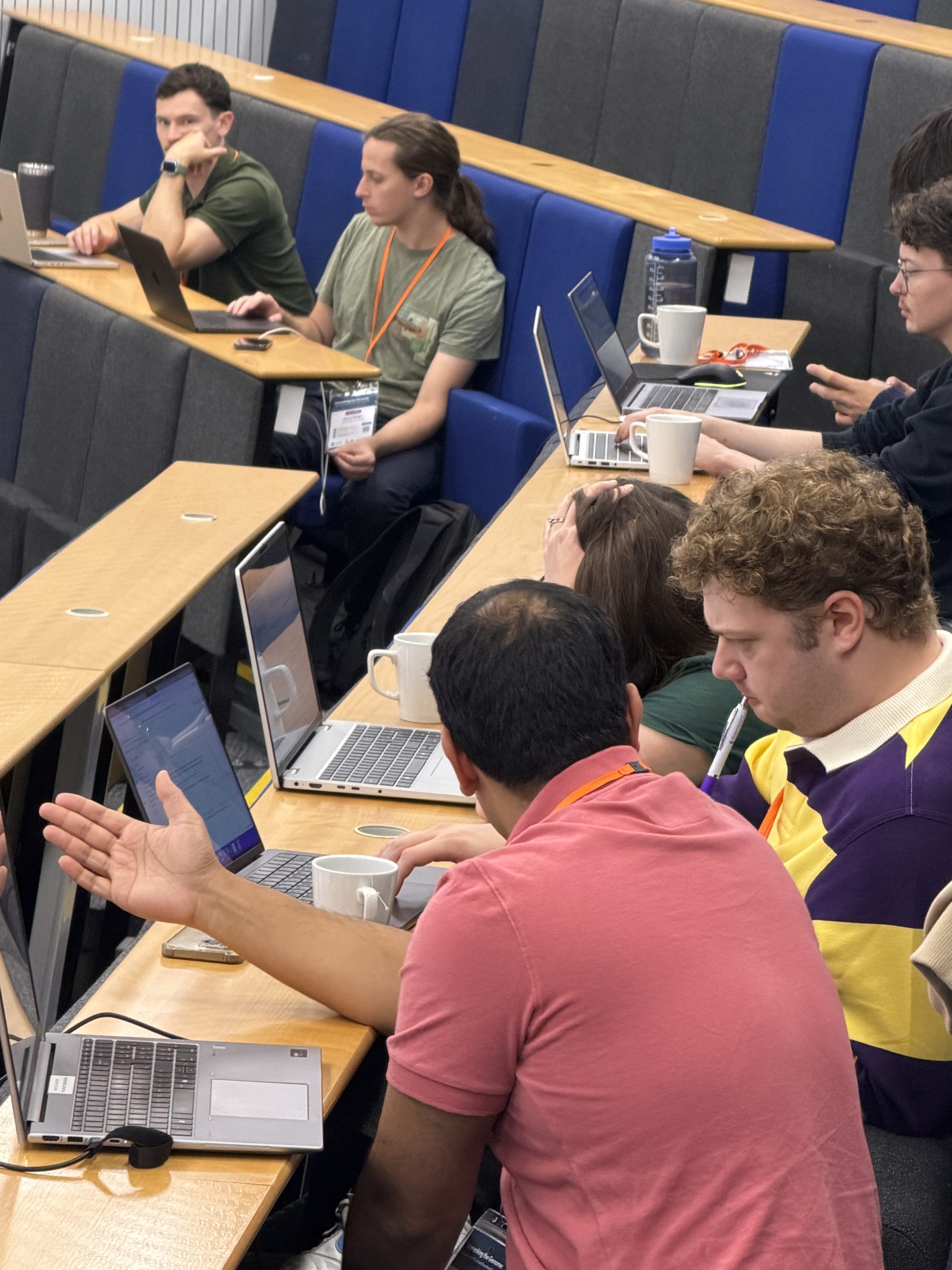
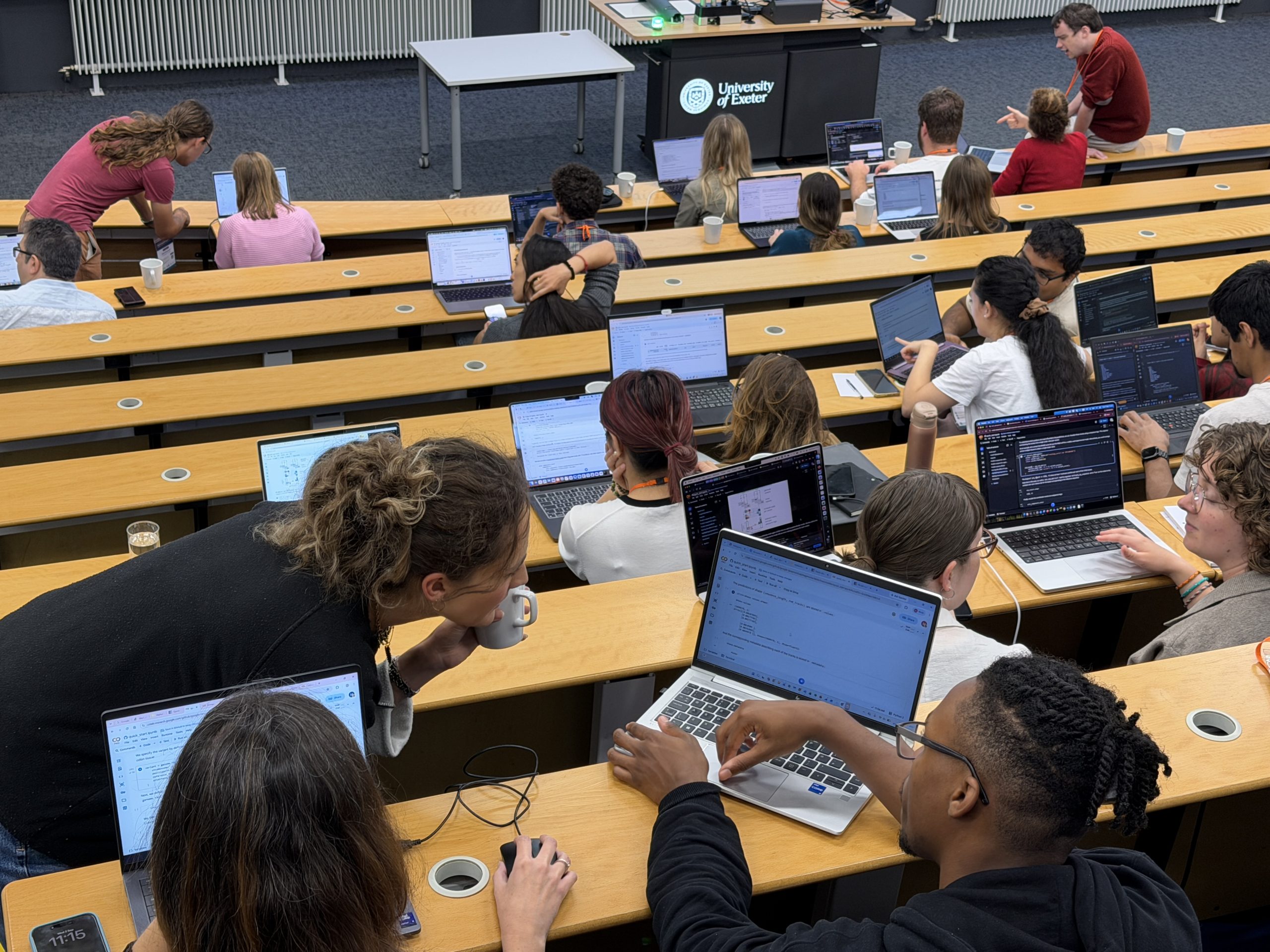
The workshop brought together researchers working across whole-genome sequencing, AI-driven variant interpretation and functional genomics, with participants gaining hands-on experience of AlphaGenome and approaches for validating the biological effects of genetic variants.
The programme also featured practical sessions covering rare disease genetics, population-scale rare variant association testing and genetic variant interpretation.
For UKHFGI, bringing together these complementary approaches is an important part of the Initiative’s mission to move beyond identifying genetic associations and towards understanding how genetic variation influences biological mechanisms and ultimately human health.
As genomic datasets continue to grow, tools such as AlphaGenome Atlas could provide researchers with new ways to prioritise the variants most likely to have functional consequences – helping to turn the vast amount of information contained within the human genome into testable biological hypotheses.
Read the full article
Read the full University of Exeter article, “Exeter researcher pioneers AlphaGenome Atlas, identifying genetic regions that could link to disease”, for further details on the research and the use of AlphaGenome Atlas.