ECR Spotlight - Antigoni Gogolou
- Published 2 June 2026
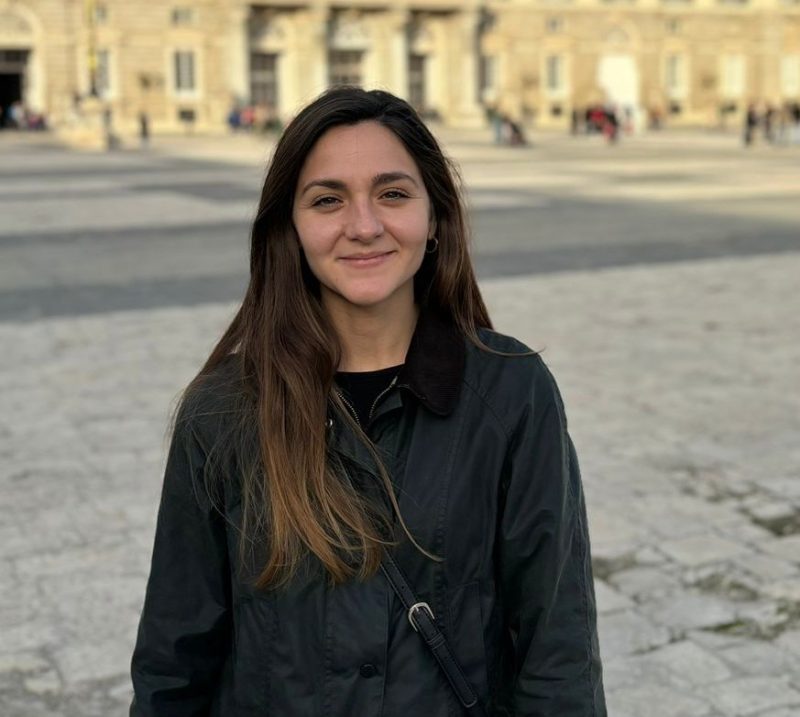
We are focusing on our ECR network and asking them several questions to gain an insight into their careers, In this session we spoke to Antigoni Gogolou from the Functional Genomics Screening Lab (FGSL), based at The Milner Therapeutics Institute.
Describe your research:
My research combines developmental biology and functional genomics to study mechanisms of human disease. I use human cell–based models and high-throughput screening to identify genes and pathways with therapeutic potential. Building on my PhD work in stem cell biology and neural crest development, I now focus on leveraging disease modeling to advance regenerative and translational medicine.
What does your day-to-day research look like?
A typical day starts with a cold shower—or a warm one in summer—while cycling into Cambridge, which always feels like good preparation for the lab. Some days I’m buried in data analysis, teasing out meaningful patterns, while others are all about planning, running experiments and writing reports. I spend a lot of time brainstorming with colleagues over coffee, attending meetings, or sharing updates with collaborators. The most fun (and sometimes nerve-wracking) moments come when using liquid handlers and automation to scale up experiments; it’s thrilling to see everything run smoothly, and stressful if the robot doesn’t behave! Every day is a mix of experiments, analysis, and teamwork, which keeps things dynamic and rewarding.
Share a moment, achievement, or milestone you are proud of:
Completing my PhD during the COVID pandemic was a challenging time, with lab work and experiments disrupted like never before. That made the achievement even more special, as producing meaningful and robust results despite the circumstances felt incredibly rewarding.
What drew you to this field?
I’ve always been interested in understanding disease, and my background in stem cell biology showed me how powerful these models can be for studying human biology and disease mechanisms. What drew me to functional genomics was the challenge of linking specific genes to phenotypes in a meaningful way, and doing this at scale, which is increasingly important as the volume of data grows exponentially every day. This shift toward large-scale, data-driven approaches opens exciting opportunities for translational research and drug discovery, allowing us to identify therapeutic targets and better understand disease.
Where do you see your career heading?
I see my career building on functional genomics to uncover disease mechanisms and identify promising therapeutic targets. In my current role, I work across multiple systems rather than focusing on a single disease, which gives me broad exposure, helps me learn a lot, and may guide me toward developing a specialized interest in the future. Over time, I hope to lead projects that translate these discoveries into real advances in translational research and drug discovery.
One piece of advice you would share:
One piece of advice I was once given and find powerful is: never take a role you already know how to do. The challenge might feel overwhelming at first, but that’s exactly where the learning and growth happen.
Tell us something about you beyond research:
Beyond research, I love traveling. After my PhD, I backpacked through Central America for three months. When I can’t travel, I watch travel vlogs or create short films from my own footage, which lets me explore the world from home.