ECR Spotlight - Patricia Benavent-Bellver
- Published 13 March 2026
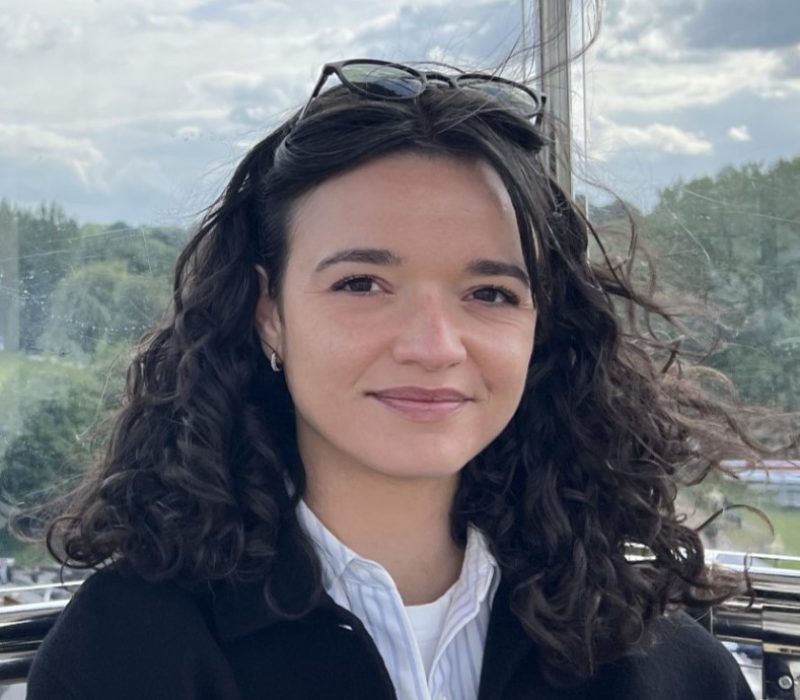
Introducing our ECR spotlight
We are focusing on our ECR network and asking them several questions to gain an insight into their careers, to kick off our series we spoke to Patricia Benavent-Bellver from our Musculoskeletal cluster, based at the University of Oxford.
Describe your research:
As a postdoctoral researcher in the Functional Genomics Musculoskeletal cluster, I focus on developing robust assays to evaluate novel therapeutic targets in musculoskeletal diseases. Recently, we partnered with 10x Genomics to acquire a Xenium Analyzer, enabling us to implement spatial transcriptomics in our research pipeline. Integrating this technology allows us to interrogate disease biology at unprecedented spatial resolution, particularly in conditions where surgery remains the only treatment option. By uncovering the underlying molecular mechanisms driving these diseases, our work aims to identify and validate new targets for innovative, disease-modifying therapies.
What does your day-to-day research look like?
A typical day in my research blends hands-on lab work with collaborative problem-solving and skill-building. Following our recent acquisition of a Xenium Analyzer, I’m developing expertise in running spatial transcriptomics experiments and becoming familiar with the computational workflows, building on my wet-lab background. I focus on designing experiments, troubleshooting protocols, and engaging with colleagues, all while keeping up with the latest advances in genomics and musculoskeletal research; with the ultimate goal of uncovering disease mechanisms and identifying new targets for therapies beyond surgery.
Share a moment, achievement, or milestone you are proud of
As a wet-lab scientist, the first time I ran python code without I crashing gave me a great sense of achievement, even if it was only to print Hello World!
What drew you to this field?
I was drawn to Functional Genomics because it sits at the intersection of biology and technology, allowing me to connect molecular mechanisms to real-world disease processes. Coming from a wet-lab background, I was excited by the opportunity to explore how large-scale genomic data can reveal new insights into disease biology, identify potential therapeutic targets, and ultimately translate basic research into meaningful advances for patients.
Where do you see your career heading?
I see my career progressing at the interface of functional genomics and translational research, where I can leverage both wet-lab and computational skills to uncover disease mechanisms and identify novel therapeutic targets. Ultimately, I aim to lead projects that bridge basic science and clinical application, contributing to the development of innovative treatments for diseases with limited options today.